



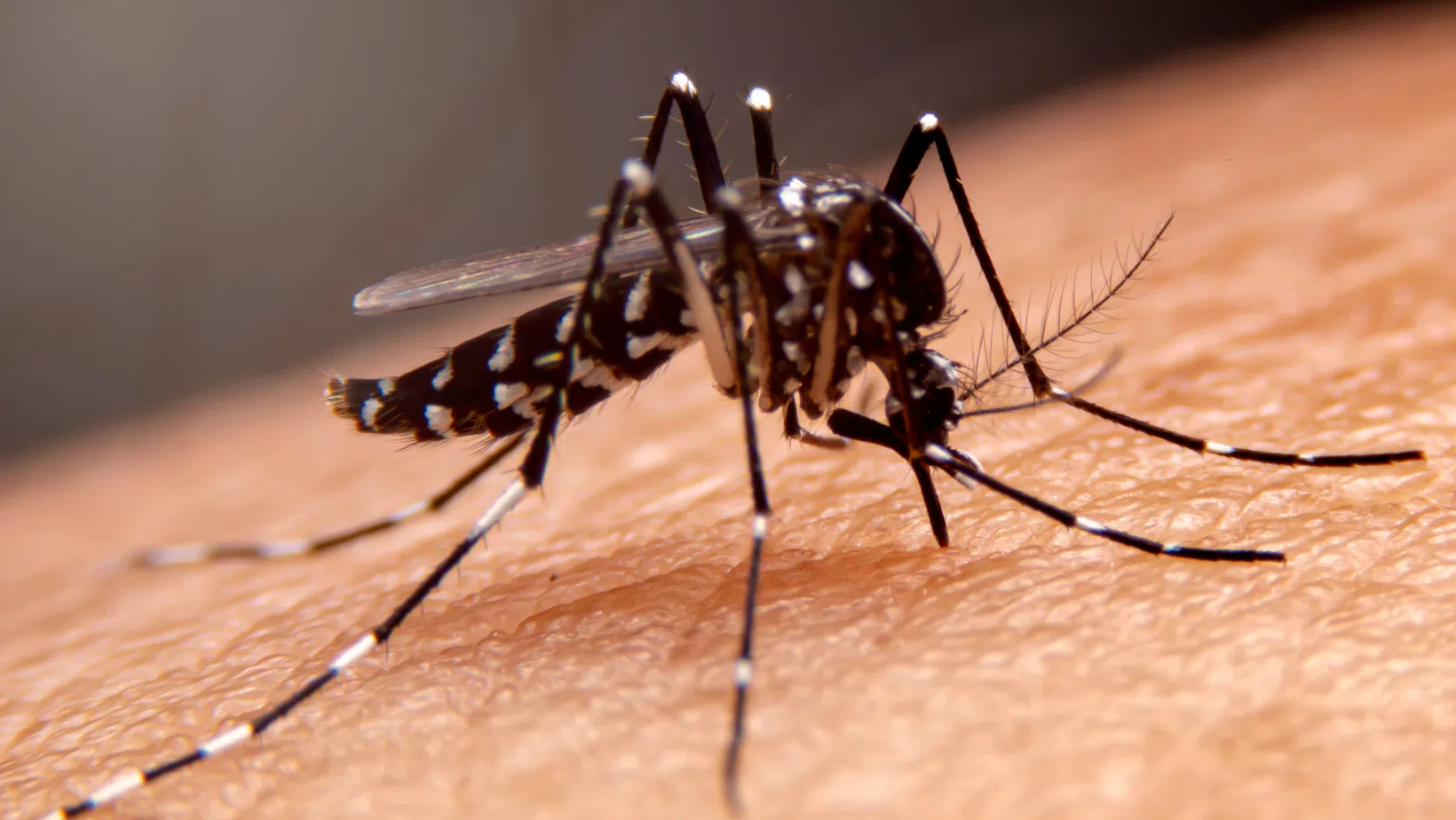
As the summer season begins, the Williamson County and Cities Health District has begun its annual mosquito trapping season, testing for West Nile virus in the community.
From May to November, public health officials will be collecting mosquitoes from traps in various locations throughout Georgetown and sending them to the Texas Department of State Health Services to be tested for viruses. Information gathered from mosquito trapping and testing can guide appropriate mosquito control interventions to safeguard communities against the threat of mosquito-borne diseases.
WCCHD reported four human cases of West Nile virus and a record-high 75 WNV-positive mosquito samples in 2024 throughout Williamson County. Residents can follow mosquito surveillance activities on the WCCHD’s Mosquito Surveillance Dashboard, such as positive samples and mosquito control areas.
If truck-mounted mosquito spraying is determined to be needed to control adult mosquito populations, the City will post notifications through the Nextdoor app. Be sure to follow the City for updates.
What you can do
The most important way to prevent West Nile virus is to reduce the number of mosquitoes where people live, work, and play. Health officials strongly encourage everyone to remain vigilant about protecting themselves from mosquito bites and preventing mosquito breeding on their personal property. Mosquitoes breed in standing water, needing as little as one teaspoon. By draining all sources of standing water in and around your property, you reduce the number of places mosquitoes can lay their eggs and breed.
Eliminating places where mosquitoes can breed and reducing the chances of mosquito bites are the most effective lines of defense against exposure to West Nile virus. As part of its Fight the Bite campaign, the Health District recommends:
- Draining standing water in flowerpots, pet dishes, clogged gutters, irrigation valve boxes, water meter boxes, and any drainage inlets. Even very small amounts of standing water can be a breeding ground for mosquitoes. See this homeowner checklist for a list of actions you can take.
- Defend yourself by using an EPA-registered insect repellent.
- Dressing in long sleeves and pants when outdoors.
- Treating standing water with EPA-approved larvicides that are available for retail purchase. Larvicides are products used to kill immature mosquitoes before they become adults. Larvicides are applied directly to water sources that hold mosquito eggs, larvae, or pupae. When used consistently, larvicides can help reduce the overall mosquito burden by limiting the number of mosquitoes that are produced, according to the Centers for Disease Control and Prevention (CDC).
For more information, go to the WCCHD website or visit the Texas Department of State Health Services West Nile website at txwestnile.org.









Comments