



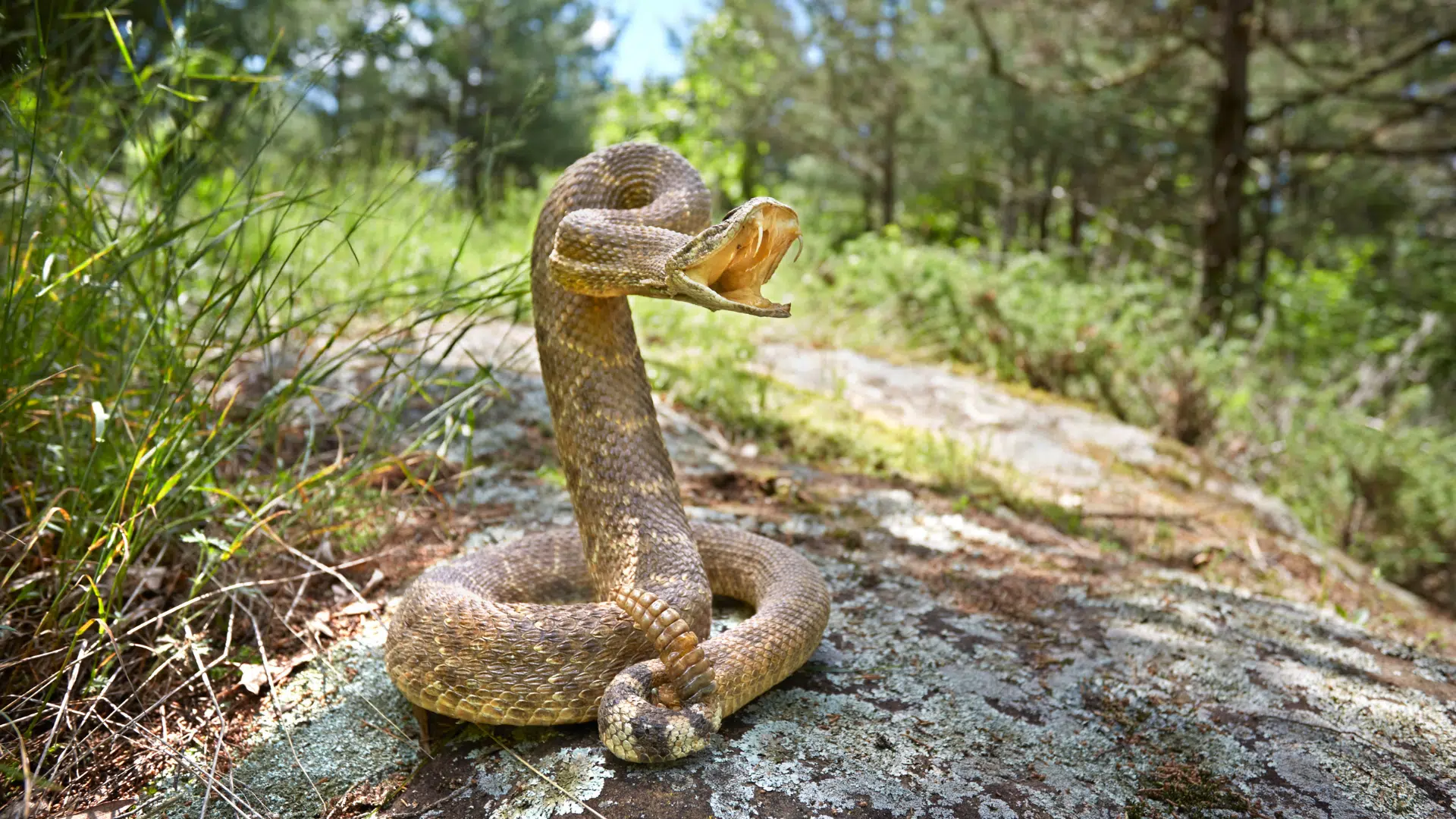
As the warmer summer temperatures continue and individuals and families get in those last minute outdoor activities before school starts, a local expert is reminding people about the potential for snake encounters and even snake bites.
“Typically, snake bites are most common in the summer months, as snakes tend to be more active in warmer weather,” Mary Lewin, Disease Management Coordinator at St. David’s Georgetown Hospital, told Hello Georgetown. “Not all snakes are bad or dangerous, and they are very important to the natural ecosystem, so you don’t want to default to killing snakes when you encounter them. It’s best to know how to protect yourself and avoid areas where snakes are common.”
Snakes in Texas
According to Texas A&M, Texas is home to a variety of species of snakes both venomous and non-venomous.
“Common non-venomous species found throughout Texas include garter snakes, which people also refer to as garden snakes; rat snakes, also known as chicken snakes; and bull snakes,” according to Texas A&M. “Common venomous snakes include western diamond-backed rattlesnakes, copperheads and the cottonmouth, also known as the water moccasin.”
Additionally, what kind of snake you’re likely to encounter has a lot to do with where you are. According to the same Texas A&M article, you’re more likely to spot a cottonmouth snake, for example, near ponds, lakes or creeks, and bottomlands that maintain high levels of moisture year round.
The most common snake bites seen at St. David’s Georgetown Hospital, Lewin told Hello Georgetown, are from rattlesnakes.
“However, we do encourage you to seek medical evaluation or treatment when any snake bite occurs,” Lewin said. “Our teams are trained in dealing with snake bites and have antivenin on hand should the situation call for that treatment.”
Avoiding Snake Bites
One of the best methods to prevent snake bites is by avoiding snakes all together. If you are outside and encounter a snake, Lewin said, do not approach it and instead leave the area.
“Even if a snake appears to be dead, do not go near it, as dead snakes can still have reflexes and still have the ability to bite,” Lewin said. “When participating in outdoor activities, be sure to wear protective clothing. For example, high boots are a great option, as some snakes have very short snouts and would not be able to puncture a boot.”
Carrying a cell phone is also important to keep with you while you’re out. In the event of a bite, you’ll be able to call 911 and even use it to identify the snakes you encounter.
“Knowing how to identify different types of snakes is very important,” Lewin said. “Snake Bite 911 is a great app you can download on your smartphone. It has some great resources and information about the types of snakes that are native to your area, should you need emergency medical attention in the event of a snake bite.”
Treating a Snake Bite
So, what should you do if you are bitten by a snake?
“First and foremost, you should make sure that the snake is no longer in your area,” Lewin said. “Do not approach or try to move the snake. If it is safe to do so, try to get a description of the snake to determine whether it is venomous. Monitor the area of the body in which the snake bite occurred, and seek medical attention right away.”
In the case the snake is venomous, it’s important to call 911 right away, keep the snake bite victim from moving around too much and keep the site of the bite below heart level in order to prevent the venom from entering the blood stream.
“Additionally, mark the area where the bite occurred, as well as any redness or swelling, then re-mark the area every 10 minutes,” Lewin said. “This will help medical teams to see how the bite is swelling or growing, and it will help them to determine how much antivenin to administer.”
Many snake bites, she added, are “dry bites,” which means no venom was deposited by the snake into the victim.
“For this reason, we will often want to monitor the wound and the victim first, as well as conduct blood tests to determine whether antivenin is necessary before administering it, as it could potentially cause negative reactions if given when it is not needed,” Lewin said.
For more information about snakes in Texas, visit the Texas Parks and Wildlife website.









Comments