



GEORGETOWN, TX — Halloween is a time for fun, creativity, and community, but it is also one of the busiest nights of the year for local emergency rooms. ER Nurse Jenna Price, RN, Disease Management Coordinator at St. David’s Georgetown Hospital, shared practical advice to help families, teens, and adults enjoy a safe and healthy holiday.
For Kids: Keeping the Little Ones Safe
The most common Halloween-related emergencies seen in the ER include burns, allergic reactions, and accidental ingestion of candy. Candles and open flames from decorations or jack-o’-lanterns are frequent hazards. Using battery-powered candles or glow sticks is a safer option.
Price noted that stomach problems such as nausea, vomiting, and gastritis often follow heavy candy consumption. For children managing diabetes or other health conditions, it is especially important to check glucose levels and read nutrition labels. She also emphasized the value of discussing sugar intake with a primary care provider ahead of time if adjustments are needed.
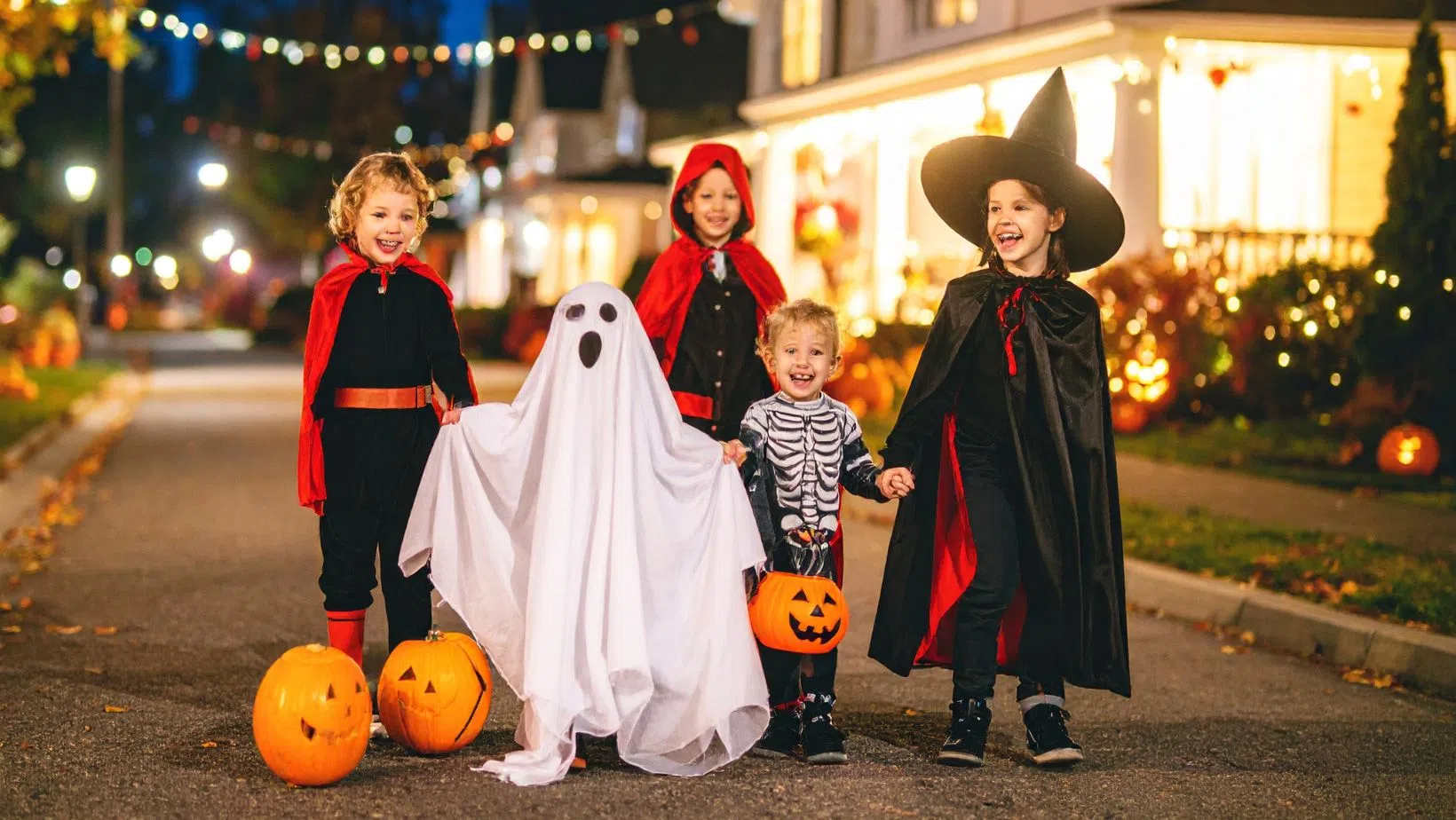
Visibility and supervision are essential for younger children. Families are encouraged to stay on sidewalks, use well-lit routes, and add reflective tape or glow accessories to dark costumes to help drivers see trick-or-treaters. Children should travel in groups with adult supervision.
Parents are also reminded to inspect all candy before eating, discarding anything unwrapped or damaged.
Candy Safety and Nutrition Awareness
Before enjoying Halloween treats, St. David’s Georgetown Hospital recommends that families take a moment to review nutrition labels, especially for children with food allergies or dietary restrictions.
Sugar and portion control. Too much sugar can upset the stomach and affect blood sugar levels. Limiting the number of treats and balancing them with regular meals can help prevent problems.
Ingredient awareness. Some candies contain allergens or artificial dyes that can cause reactions in sensitive individuals. Googling ingredient lists can help parents make informed decisions.
Moderation for everyone. Candy should be part of the fun, not the cause of discomfort. A moderate approach keeps Halloween enjoyable for both kids and adults.
These general health and safety tips are for informational purposes only and are not a substitute for professional medical advice. Individuals with specific health concerns should consult their healthcare provider.
For Teens: Fun with Awareness
Halloween is often a chance for teens to enjoy more independence, but safety remains important. Price advised setting clear expectations while maintaining open communication between parents and teens. Knowing who they are with, where they will be, and how to reach them can prevent emergencies.
Teens should travel in groups, stay in visible areas, and keep their phones charged. Dark costumes should include reflective materials or glow sticks to help drivers spot them.
Price also reminded families that peer pressure and risky behavior can surface around Halloween gatherings. Conversations about boundaries, moderation, and responsible choices can help teens enjoy the night safely.
For Adults: Planning Ahead and Setting the Example
Adults set the tone for safety during Halloween. If driving, slow down and stay alert for pedestrians. Increased foot traffic makes attention behind the wheel essential.
If hosting a party, plan ahead for transportation. Encourage ride-shares, designated drivers, or overnight stays to keep guests safe. Moderation is also key, both with candy and alcohol. Responsible choices create a safer environment for everyone.
Costumes, Makeup, and Decorations
Price advised that costumes should be practical and made of flame-resistant materials. Masks should allow full breathing and clear vision. Small detachable parts can become choking hazards for younger children.
Face paint and makeup should be tested on a small area of skin first to check for reactions. Wigs and accessories should also be non-flammable. To prevent accidents, avoid using open flames and ensure yards and walkways are well lit and clear of obstacles.
Protecting Pets
Pets often become anxious or overstimulated by the noise, lights, and costumes. Keeping them in a separate room away from the front door helps prevent escapes or stress.
Chocolate and sugar-free candy containing xylitol are toxic to animals. All treats should be kept out of reach.
Final Word
Price’s message is clear: preparation prevents problems. A few simple precautions, checking costumes, monitoring candy, planning transportation, and communicating with family members, can make all the difference.
Halloween should be about laughter, imagination, and community. With a little preparation, everyone, from kids to teens to adults, can enjoy the night safely.









Comments