



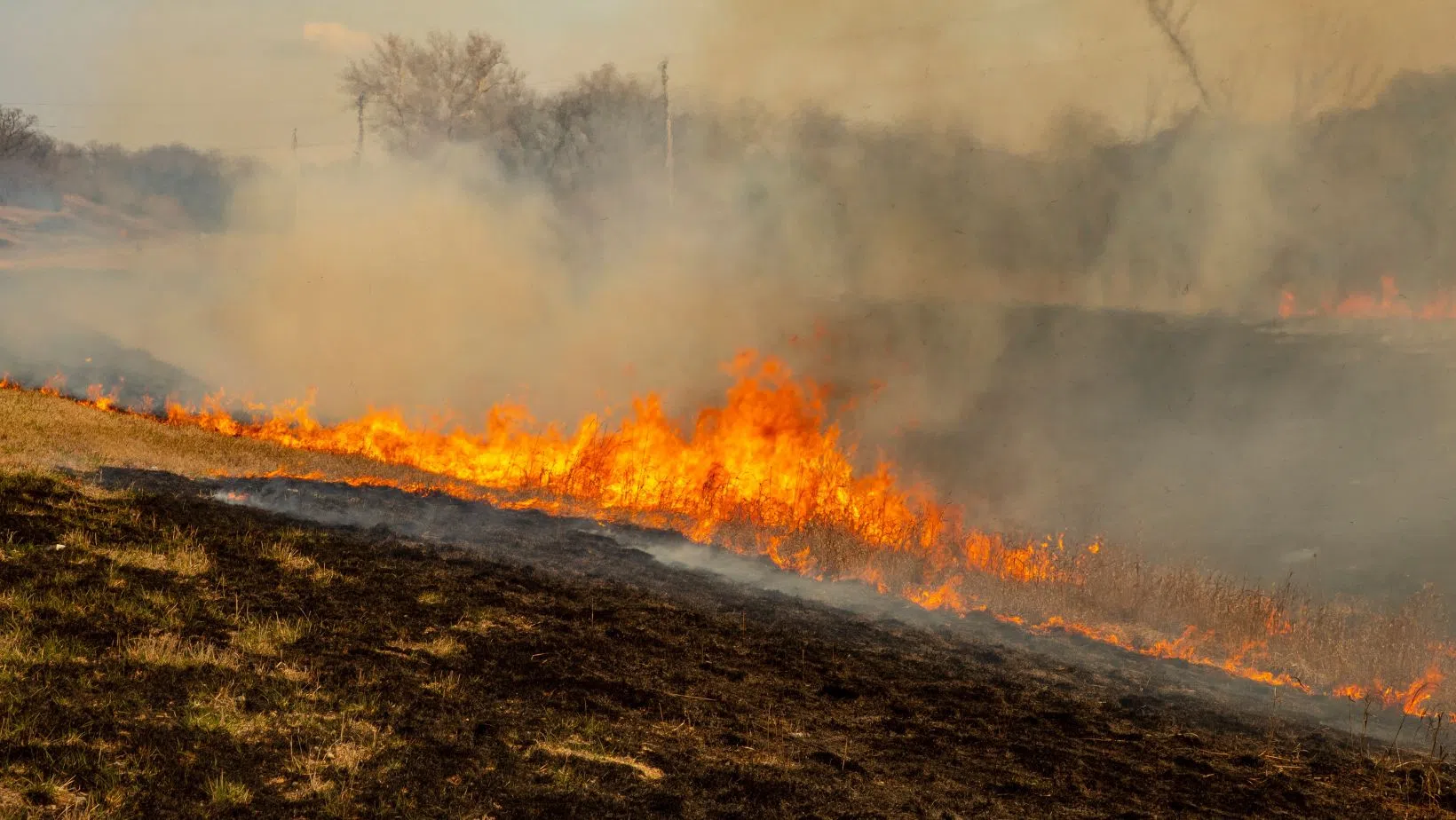
Georgetown TX: Georgetown Fire Department, in cooperation with the U.S. Army Corps of Engineers and Texas Parks and Wildlife Department, will conduct a series of controlled burns on parkland around Lake Georgetown in the Sept. 1, 2025-March 31, 2026, period. The occurrence of the prescribed burns will depend on weather conditions such as humidity, wind speed, and wind direction.
When a prescribed burn is planned, the City will notify residents in advance through Warn Central Texas and on the Georgetown Fire Department Facebook page. Residents are encouraged to sign up for Warn Central Texas notifications and to ensure Wireless Emergency Alerts are enabled on their mobile device. Due to the specific weather conditions required for a burn to happen, notice of these activities will likely not occur until the day prior.
The controlled burns will likely create large amounts of smoke near Lake Georgetown that will be seen from many miles away. During the prescribed burns, some parks and trails adjacent to Lake Georgetown will be closed. Visitors should avoid trails near the burn area and follow directions from first responders.
The purpose of the controlled burns is to reduce the growth of Ashe Juniper trees in each park. Thinning the growth of Ashe Juniper trees is being done to reduce the potential intensity of wildland fires and encourage the growth of native grasses and other plants. A large wildland fire near Lake Georgetown happened in July 2023.
The Corp of Engineers, Georgetown Fire Department, Texas Parks and Wildlife, and other fire departments in Williamson County will be assisting with the controlled burn activities around Lake Georgetown. Since the partnership was formed by these agencies in December 2023, wildland fire crews have been cutting fire breaks within Cedar Breaks Park and Tejas Park. These fire breaks will section off areas within each park and assist with containing the controlled burn areas.
Smoke from wildland fires can degrade air quality and some people may be at an increased risk of experiencing health effects. Monitor local air quality and learn more about how to protect yourself at AirNow.gov and epa.gov/air-quality/wildland-fires-and-smoke.








Comments