



The weather is warming up as we settle into springtime and with all the new blossoms, buds and increased sunshine, baby animals are also in abundance, especially at All Things Wild Rehabilitation.
“Springtime is busy at the center,” All Things Wild Rehabilitation wrote on Facebook. “We see an increase in orphaned and injured baby animals, sometimes just days old, and rehabilitate them to be released back into the wild.”
Some of the animals common to the Georgetown area include deer, squirrels, raccoons, opossums, rabbits, birds, and skunks, just to name a few. So, what do you do if you find one of these baby animals?
Check for the Baby’s Parents
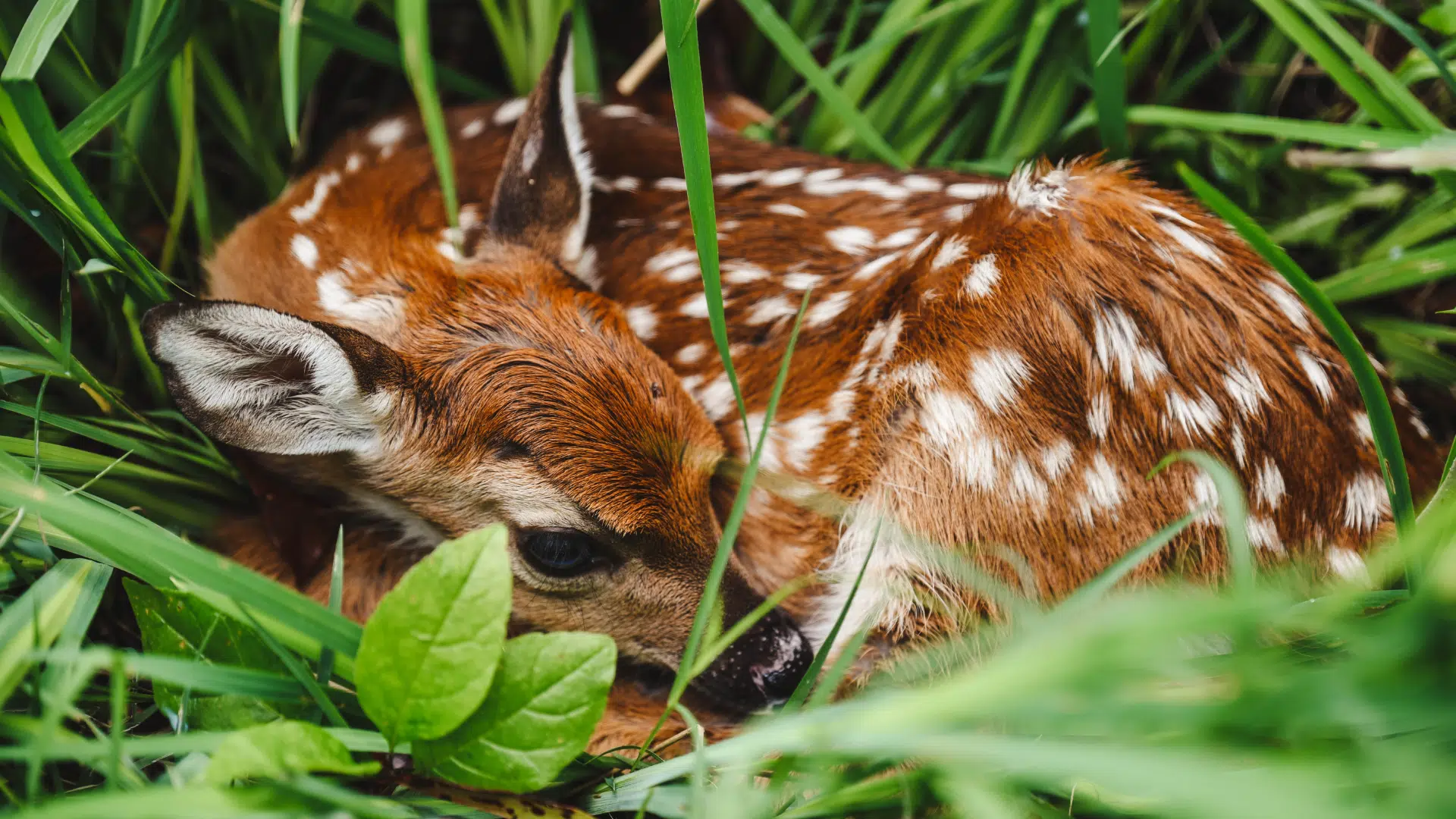
First and foremost, make sure the baby is truly missing its parents. Some species, including deer and rabbits, will leave their babies alone throughout the day and return only to feed periodically.
Take deer, for example:
“It is common to see a spotted fawn lying by itself with no adult nearby,” All Things Wild said. “Female deer leave their babies unattended for long periods of time while foraging for food and return only to briefly nurse the baby. The mother deer is usually in the vicinity observing from a distance. The fawn instinctively lies very still and flat so as not to attract predators. The behavior is called “pancaking” and is a sign that the baby is OK.”
Pick Up the Baby Animal
If you’ve observed the baby’s parents are not nearby or have not returned, or the baby is injured – take next steps to help the animal.
“Pick up the baby and put her on a soft clean towel in a box,” the organization says. “Don’t leave the baby on the ground.”
Handling the animal may go against the common belief that doing so will cause the parent to abandon it’s baby. But, All Things Wild says this belief is a myth.
“Touching a baby animal or bird will not deter the parents from caring for their baby,” the organization said.
Keep the Baby Animal Warm
After picking up the baby animal and placing it in a box on a soft clean towel, it’s vital to keep the baby warm by adding an external heat source like using a heating pad on low, a bottle of hot water wrapped in a towel, a heated rice sock, your warm hands and body, a heat lamp or a warm area like a garage.
“Young animals, especially those with closed eyes or without a full coat of feathers or fur, cannot generate their own body heat,” the organization said. “So, putting the baby under a blanket or towel won’t keep the baby warm…Be careful that they baby doesn’t overheat or burn.”
Don’t Feed the Baby – If Necessary, Hydrate
It may be tempting to pop open your fridge and grab some cow’s milk to feed to the baby animal – don’t.
“Cow’s milk contains enzymes that the baby cannot digest, which will cause diarrhea and ultimately death,” All Things Wild said. “In a pinch, warm goat’s milk is generally digestible by most wild babies but for a limited time only.”
Ultimately, the best course of action is to get the baby to a wildlife rehabilitator who will have access to the right milk replacer formulated with the correct fat and protein balance for the baby.
“If necessary, hydrate with Pedialyte or a generic equivalent of electrolyte fluid,” the organization wrote. “In a pinch, warm tap water is better than no fluids at all. Use an eye dropper or syringe and give drop by drop making sure the baby swallows each time. All baby animals arrive in rehabilitation dehydrated.”
Contact a Wildlife Rehab Center
The best chance for the baby animal is going to be with a wildlife rehabilitator like All Things Wild. If the baby cannot be reunited with it’s parents, reach out to your local rehabilitator.
“Remember, it is against the law in Texas to keep a wild animal in captivity without a permit from Texas Parks and Wildlife,” All Things Wild said. “If the baby cannot be reunited with her parents, take the baby to All Things Wild or a wildlife rehabilitator.”
To view a list of wildlife rehabilitaors in Williamson County, click here.
These are just a few tips of what to do if you find a baby animal, but remember – every species is different in their needs and behavior. For more detailed information about what to do if you find a specific baby or injured adult animal, view the guide provided by All Things Wild.








Comments